
BLOG
Sprinter van home polyurea: Overview


Are you dreaming of converting your sprinter van into a cozy home on wheels? If so, you’re not alone. The van life movement has gained immense popularity, offering freedom and flexibility to wanderlust enthusiasts. While designing a mobile living space, the materials used are crucial to achieve durability, comfort, and a sleek appearance. Enter polyurea coatings, a game-changer for van conversions that promises all these benefits and more. In this blog post, we’ll explore how you can harness the power of polyurea coatings to transform your sprinter van into a durable, comfortable, and stylish home on wheels.
Why Choose Polyurea for Van Conversions?
Sprinter van home polyurea is a versatile and robust material that has captured the attention of the van conversion community for its exceptional benefits. This elastomer offers impressive durability, flexibility, and resistance to environmental factors, making it an ideal choice for transforming sprinter van homes. Sprinter van enthusiasts are finding polyurea coatings to be a practical solution for both interior and exterior applications. This durable finish helps protect against the wear and tear of life on the road, while its aesthetic appeal enhances the overall look of your mobile abode. With a myriad of advantages over traditional materials, polyurea is paving the way for innovative van conversions.
Understanding Polyurea Coatings
Polyurea is a type of synthetic polymer that results from the chemical reaction of an isocyanate component with a resin blend component. The outcome is a robust and flexible elastomer. Developed in the 1980s, polyurea quickly gained traction in various industries due to its unique properties. Polyurea coatings can be applied in a wide range of environments, adhere well to surfaces, and cure rapidly. The versatility of polyurea coatings has led to their use in everything from automotive to construction applications.
The Benefits of Polyurea in Van Conversions
When it comes to sprinter van conversions, polyurea coatings offer numerous benefits. For starters, polyurea’s durability is unmatched, providing protection against potential damage from road debris, extreme temperatures, and moisture. This makes it an excellent choice for both interior and exterior applications. Additionally, polyurea’s flexibility allows it to adapt to the unique shapes and contours of a van’s interior, ensuring a seamless finish. Another advantage is its quick curing time, allowing for faster application and minimizing downtime during the conversion process. Furthermore, polyurea coatings are available in a variety of colors, textures, and finishes, allowing you to customize the appearance of your van home to suit your personal style.
Application Areas for Polyurea in Van Homes
Polyurea coatings can be applied to various areas of a sprinter van to enhance its functionality and aesthetics. On the exterior, polyurea provides a protective layer against road elements, rust, and UV damage. It can also be used to create custom graphics or designs, adding a personalized touch to your van’s appearance. Inside the van, polyurea can be applied to floors, walls, and ceilings to improve insulation and soundproofing. In addition, polyurea-coated surfaces are easy to clean and maintain, making them a practical choice for van life. From protecting the undercarriage to adding a non-slip surface to steps and ramps, polyurea’s diverse applications make it a top choice for van conversions.
Preparing Your Van for Polyurea Application
Before applying polyurea coatings to your sprinter van, proper preparation is essential to ensure a smooth and successful application. Start by thoroughly cleaning the surfaces to be coated, removing any dirt, grease, or debris. It’s important to inspect the surfaces for cracks or imperfections that may need repair before coating. Sanding or roughening the surface can improve adhesion, allowing the polyurea to bond effectively. Once the surface is prepared, it’s important to mask off any areas that should not be coated, using tape or protective covers. Taking the time to prepare your van properly will result in a seamless and durable polyurea finish.
Applying Polyurea to Your Van
The application process for polyurea coatings involves specialized equipment and techniques to ensure a high-quality finish. Polyurea is typically applied using a spray gun, which allows for even coverage and a smooth surface. During application, it’s important to apply multiple thin layers rather than a single thick coat. This helps prevent drips or uneven areas and ensures the coating cures evenly. Depending on the specific product used, curing times can vary, but polyurea generally cures quickly, allowing you to continue with other aspects of your van conversion project. Hiring a professional to apply the coating can be beneficial, as they will have the expertise and equipment necessary to achieve optimal results.
Customizing Your Polyurea-Coated Van
One of the exciting aspects of using polyurea in your van conversion is the ability to customize the appearance of your mobile home. Polyurea coatings come in a variety of colors and textures, allowing you to create a look that reflects your individual style. You can choose a glossy or matte finish, or even add decorative elements like metallic flakes or custom graphics. Personalizing your van with polyurea coatings not only enhances its visual appeal but also increases its resale value, making it a worthwhile investment for the future.
Polyurea Maintenance and Repair
Maintaining your polyurea-coated van is simple and straightforward. Polyurea surfaces are resistant to stains and scratches, requiring minimal upkeep. Regular cleaning with mild soap and water will keep the coatings looking fresh and vibrant. In the event of damage or wear, polyurea is easy to repair. Minor scratches and scuffs can often be buffed out, while larger areas can be recoated for a seamless finish. The durability and ease of maintenance make polyurea an excellent choice for van life, where practicality and resilience are key.
Case Studies and Success Stories
Numerous sprinter van owners have successfully transformed their vehicles into stunning homes on wheels using polyurea coatings. These case studies highlight the versatility and effectiveness of polyurea in van conversions. From rugged off-road adventurers to minimalist urban dwellers, van owners are discovering the benefits of polyurea for enhancing both the function and aesthetics of their mobile homes. These success stories serve as inspiration for those considering a van conversion, showcasing the potential of polyurea to create a personalized and durable living space.
Considering Costs and Budgeting for Polyurea
While polyurea offers numerous benefits for sprinter van conversions, it’s important to consider the associated costs. The price of polyurea coatings can vary depending on factors such as the size of the area to be coated, the complexity of the application, and the chosen finish or additional customization. It’s essential to budget for both the materials and labor costs if hiring a professional to apply the coating. While the initial investment may be higher compared to traditional materials, the long-term benefits and durability of polyurea make it a wise financial decision for van owners seeking a high-quality finish.
Exploring Alternative Coating Options
While polyurea is an excellent choice for van conversions, it’s worth exploring alternative coating options to determine the best fit for your project. Other popular options include epoxy, polyurethane, and rubber coatings. Each material has its own set of advantages and limitations, and the choice will depend on your specific needs and preferences. Comparing the properties and costs of different coatings can help you make an informed decision and select the best option for your sprinter van conversion.
Final Thoughts on Polyurea for Sprinter Van Homes
Polyurea coatings offer an innovative and versatile solution for transforming sprinter vans into comfortable and stylish homes on wheels. With its impressive durability, flexibility, and customization options, polyurea is a top choice for van enthusiasts seeking both function and aesthetics. Whether you’re embarking on a full van conversion or simply looking to enhance specific areas, polyurea can elevate your project to new heights. Consider incorporating polyurea coatings into your van conversion to create a truly unique and resilient mobile living space.
Ready to take the next step in your van conversion journey? Reach out to professional polyurea applicators or explore DIY options to bring your vision to life. With the right preparation and application, polyurea coatings can transform your sprinter van into a durable and personalized home on wheels, allowing you to hit the road with confidence and style.
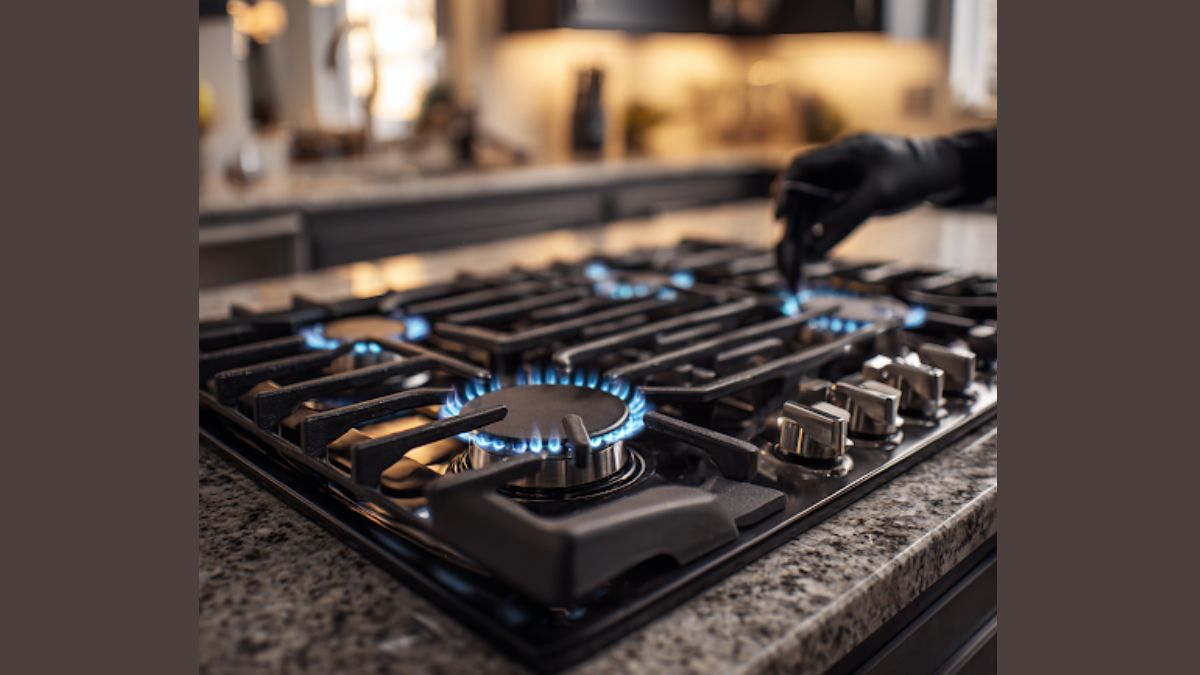
Here’s a scenario that’s played out in kitchens across the country: you’re halfway through prepping dinner when your burner decides to throw a tantrum. No heat. No flame. Just silence and the growing realization that takeout’s about to become very expensive. This is where understanding quick stove repair solutions becomes less about home maintenance and more about preserving your sanity. Because when your cooking surface goes rogue, every meal becomes a logistical nightmare. The good news? Knowing when and how to get emergency gas stove repair service can transform a week-long disaster into a same-day fix.
What most people don’t realize until they’re standing in front of a cold cooktop is how appliances quietly complete your home’s functionality. Your stove isn’t just a cooking tool, it’s the anchor of your daily routine. And when that anchor breaks loose, everything else starts drifting. You know what’s truly fascinating? How avoiding common appliance mistakes prevents most repair emergencies before they start.
What Your Stove’s Actually Trying to Tell You
Appliances speak their own language, and ignoring their warnings is like ignoring your car’s check engine light while driving cross-country. Spoiler alert: it never ends well.
That clicking sound that won’t stop? Your igniter’s struggling. The burner that takes three tries to light? The gas flow’s compromised. Uneven flames that dance yellow instead of burning steady blue? You’ve got a combustion issue that’s wasting gas and potentially creating safety concerns. These aren’t quirks to laugh about over coffee, they’re distress signals.
Most people wait until complete failure before calling for help, which is roughly equivalent to waiting until your tooth falls out before visiting the dentist. Not recommended. Not smart. Definitely not economical.
The Real Cost of Waiting
Let’s talk money, because repair avoidance isn’t free. That minor ignition problem you’ve been living with for two months? It’s forcing other components to compensate, wearing them out prematurely. What could have been a straightforward service call becomes multiple repairs because everything failed like dominoes.
Think of your stove like a relay team. When one runner stumbles, others work harder to make up the difference until they’re all exhausted and crossing the finish line isn’t even on the radar anymore. This cascade effect turns affordable fixes into budget-busting replacements.
Plus, there’s the hidden cost nobody calculates: the stress tax. Every meal becomes a gamble. Will it light? Will the flame stay consistent? Should you start dinner an hour early just in case? This low-level anxiety drains more energy than people realize, turning cooking from pleasure into pressure.
When Fast Actually Matters
Not every repair needs to happen within hours, but some absolutely do. Gas leaks, obviously. Electrical sparking near combustible materials, definitely. Complete failure when you’re hosting Thanksgiving dinner for twenty, arguably life-or-death (at least socially).
The trick lies in distinguishing between “this is annoying” and “this is urgent.” Can you safely use another burner while you schedule a convenient appointment? Great, breathe easy. Does something smell off, look wrong, or feel dangerous? Stop using the appliance immediately and get help fast.
Modern service providers understand this distinction and often offer tiered response times. Need someone within hours? That’s available (though it costs more). Can wait a day or two? That’s also an option. Most importantly, reputable services won’t pressure you into emergency rates when standard scheduling works fine.
The Service Provider Reality Check
Here’s what separates great repair services from the rest: they actually explain what’s wrong in language humans speak. No jargon waterfalls designed to confuse. No mysterious charges appearing like mushrooms after rain. Just clear communication about the problem, the solution, and the cost.
Ask questions. Lots of them. What failed? Why did it fail? What prevents future failures? Any decent technician welcomes curiosity because educated clients make better decisions and maintain their equipment properly. If someone gets defensive about questions, that’s information worth noting.
Also, verify credentials. Licensing matters. Insurance matters. Training specific to your appliance brand matters tremendously. Your neighbor’s cousin who’s “good with tools” might fix your wobbly table leg beautifully but shouldn’t be anywhere near your gas lines or electrical systems.
Prevention Isn’t Glamorous But It’s Brilliant
Nobody wakes up excited about appliance maintenance. Nobody posts Instagram stories about their annual stove inspection. Yet these boring practices save thousands in unnecessary repairs and replacements.
Clean your burners regularly. Not just the parts you can see, but the ports and channels where gas flows. Remove that drip pan occasionally and check what’s hiding underneath. Wipe down control knobs before sticky residue interferes with their function. These tiny habits compound into major savings.
Temperature accuracy deserves attention too. If your dishes aren’t cooking evenly or your baking times seem inconsistent, calibration might have drifted. This isn’t something most people can fix themselves (remember, no DIY advice here), but it’s absolutely something worth having checked during routine service.
The Upgrade Question Everyone Asks
Repair or replace? The eternal homeowner dilemma, right up there with “should I paint or wallpaper?”
General rule: if repair costs exceed half the replacement cost and your appliance is past its expected lifespan, replacement makes financial sense. But if your stove’s still relatively young and the repair’s straightforward, fixing preserves your investment while avoiding the hassle of delivery, installation, and disposal.
Factor in the intangibles too. Love your current stove’s size and configuration? Replacement might mean compromising on features you’ve grown attached to. Your kitchen’s color scheme built around that specific finish? New appliances rarely match perfectly. Sometimes repair wins simply because it maintains the status quo you’ve carefully created.
Building Your Kitchen Safety Net
Smart homeowners don’t wait for emergencies to find good service providers. They research, ask neighbors for recommendations, and establish relationships before crisis strikes. Think of it like finding a good doctor or mechanic, you want that connection solidified before you’re desperate.
Many quality services offer maintenance contracts or priority scheduling for regular clients. These arrangements might seem unnecessary until that Saturday evening when something breaks and you’re the client who gets called back first. Relationships matter, especially in service industries.
Keep documentation of all repairs and services. This paper trail helps spot patterns, validates warranties, and provides valuable information for future technicians. Plus, if you ever sell your home, detailed maintenance records demonstrate responsible ownership and can actually boost property value.
The Bottom Line Nobody Mentions
Your stove deserves respect, not because it’s fancy or expensive, but because it enables the rhythms of daily life that hold everything together. Morning coffee. Weeknight dinners. Holiday feasts that become memories. When your cooking equipment fails, it disrupts more than just meals.
Knowing when to call for help, what questions to ask, and how to maintain equipment properly transforms you from reactive crisis manager to proactive homeowner. That shift changes everything. Fewer emergencies. Lower costs. More peace of mind. Better meals.
Because ultimately, that’s what functional equipment provides: the freedom to focus on living rather than constantly troubleshooting. And isn’t that worth preserving?

Saskatoon, with its vibrant cultural tapestry and scenic backdrops, offers a plethora of venue options for any event planner. Whether it’s a corporate conference, a dream wedding, or a lively festival, finding the right venue forms the foundation of a successful event. Saskatoon is not short of options; it presents a mix of traditional halls, modern conference centers, cozy bistros, and unique outdoor spaces. Understanding what each venue type offers is key to selecting the perfect setting for your gathering. Below, we’ll explore the venue landscape of this charming Canadian city and provide insight into making the best choice for your event.
Understanding the Saskatoon Event Scene: Key Venue Types

When it comes to event planning in Saskatoon, it’s crucial to understand the diversity of venues available. The city boasts grand ballrooms that can host large, elegant gatherings, complete with catering services and state-of-the-art audiovisual equipment. For more intimate events, boutique hotels and historical sites offer a unique charm that provides guests with an unforgettable experience.
Conference centers, like the TCU Place, are equipped with facilities that ensure any corporate event or convention runs smoothly. With multiple meeting rooms, auditoriums, and exhibition spaces, such centers can accommodate a broad range of event formats and sizes. Moreover, the professional environment they offer is conducive to fostering business relationships and facilitating knowledge exchanges.
Meanwhile, art galleries and museums open their doors for sophisticated events, surrounded by inspiring works of art. These spaces often offer a refined aesthetic that can elevate any reception or gathering. Furthermore, the surrounding exhibitions can act as an icebreaker, stimulating conversations among attendees.
Exploring Unique Saskatoon Venues for Different Event Styles
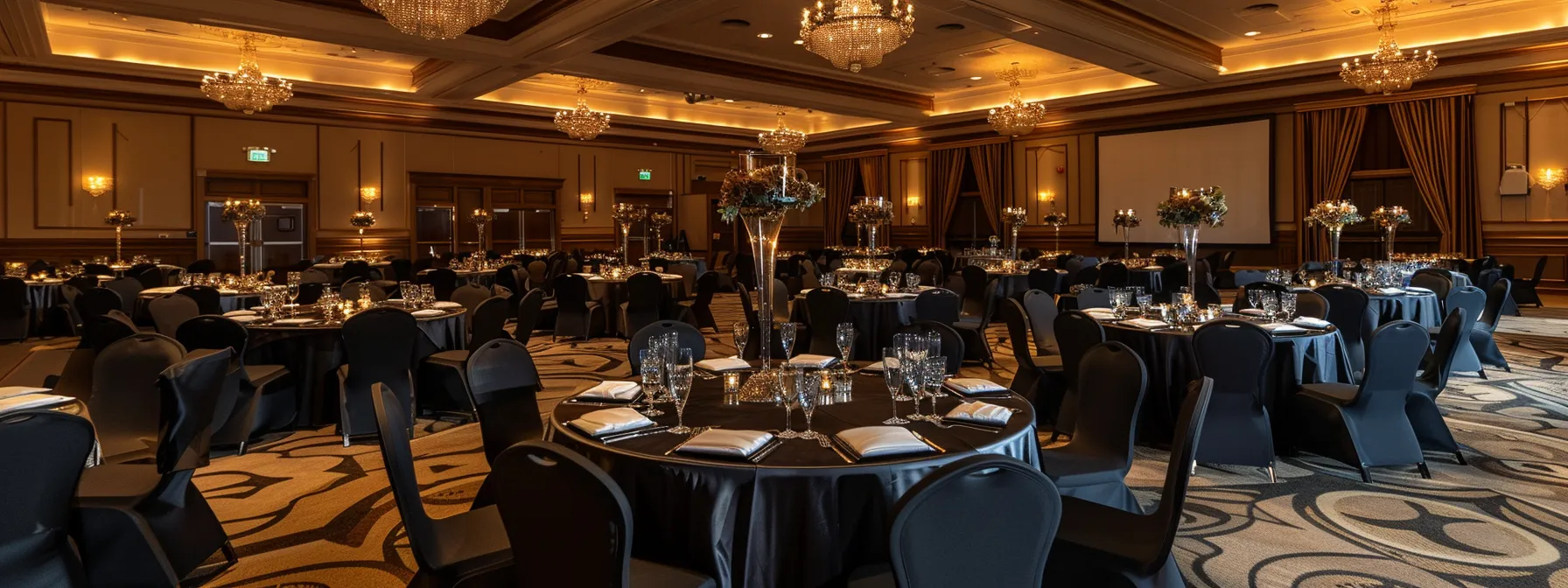
Every event carries its distinctive style and requirements, and Saskatoon’s wide array of venues caters to this diversity. For example, a rustic-themed wedding might find its perfect setting at a quaint barn or farmhouse within the rural fringes of the city, providing an authentic country atmosphere. Alternatively, contemporary art spaces can lend a trendy and modern vibe to product launches or fashion shows.
Award ceremonies and gala dinners will find luxurious grandeur in some of the upscale hotels downtown, offering elegant ballrooms and fine dining experiences. On the other end of the spectrum, non-traditional venues such as refurbished warehouses and lofts deliver an industrial-chic edge for more unconventional gatherings.
Festivals and public events often necessitate expansive outdoor areas with room for stages, stalls, and interactive installations. Parks and public squares in Saskatoon serve this purpose well, often being customizable to suit the theme of the event and expected foot traffic. Moreover, these sites allow for the added advantage of celebrating under the open sky and engaging with the general public.
Leveraging Local Saskatoon Resources to Find Your Ideal Venue
When searching for the perfect venue in Saskatoon, tapping into local resources can be immensely helpful. The city offers various event planners and venue-finding services that specialize in aligning your event needs with the ideal location. These professionals possess in-depth knowledge of what each space can offer and often have connections that can lead to preferred rates and dates.
Local vendors and suppliers can also offer insights into venues that best suit different types of events. Caterers, decorators, and AV technicians have experience with the logistics of numerous spaces, making them a valuable source of information. Collaborating with these local experts can ensure your event not only supports the community but also benefits from their professional expertise.
Tips on Booking and Planning an Event in Saskatoon’s Most Sought-After Spaces
To ensure a successful event in Saskatoon, meticulous planning and booking are paramount. Advanced booking is particularly important for sought-after venues, sometimes requiring reservations months ahead of the scheduled date. Having a flexible range of dates can increase your options and may also assist in negotiating better rates.
Planning should also take into account any seasonally affected factors, such as weather or popular tourist periods, which could impact availability and pricing. Additionally, coordinating with the venue to understand their policies and any restrictions can help mitigate unforeseen issues and facilitate a smooth event day.
Overall, Saskatoon offers a diverse range of venues to suit any event planner’s ambition and purpose. From the initial exploratory phase to the final execution, understanding your options, leveraging local expertise, and thorough planning are the keys to a successful event. As you embark on this exciting process, keeping these insights in mind will help ensure that your Saskatoon event is as impressive as its venue.

Filing a workers’ comp claim in Los Angeles may seem overwhelming, but understanding the timeline is crucial. After a workplace injury, you only have 30 days to notify your employer. Quick action ensures your rights and benefits remain intact. Waiting too long can mean losing your chance to secure medical care and wage replacement. Remember, the clock starts ticking the moment the injury occurs. Seeking guidance is vital. Los Angeles Workers’ Compensation Lawyers | Hinden & Breslavsky can help you navigate this process. Their experience across numerous cases offers you a clear path to follow. Knowing the deadline isn’t just about legal compliance. It’s about securing your well-being and future. Don’t let confusion or delay impact your recovery journey. By understanding these timelines, you take control and ensure you’re on the right path. For more specific advice, consulting with experts is always a wise choice.
Steps to Take After a Workplace Injury
When you suffer from a workplace injury, there are immediate steps to follow. First, report the injury to your supervisor. This must happen within 30 days. Delaying this notification can complicate your claim. Second, seek medical attention. Your health comes first, and timely treatment is key. Ensure that you inform your healthcare provider that your injury is work-related. This details your situation correctly and supports your claim.
Understanding the Claims Process
The claims process involves several stages. After notifying your employer, they must provide you with a claim form within one day. Fill out this form accurately and return it to your employer. This step begins the formal claims process. Employers should forward your claim to their insurance company within one working day. The insurer then reviews your claim and decides on its validity.
Importance of Timely Filing
Filing your claim on time increases the likelihood of receiving benefits. Benefits include medical treatment and wage replacement. Delays can result in a denial of these critical benefits. Remember, the 30-day notification period is just the start. The formal claim filing should happen as soon as possible to avoid complications.
Comparison of Filing Deadlines
| Step | Deadline |
| Report Injury to Employer | 30 Days |
| Receive Claim Form from Employer | 1 Day |
| Return Completed Claim Form | As Soon As Possible |
| Employer Submits Claim to Insurer | 1 Day |
Potential Challenges
Challenges can arise during the claims process. These may include disputes over the injury’s work-related nature or delays in receiving benefits. If you face any of these issues, seeking guidance is essential. Professionals can offer clarity and support in resolving disputes effectively.
Protecting Your Rights
Protecting your rights involves staying informed. The California Department of Industrial Relations provides resources and guidelines. Visiting their website can equip you with necessary knowledge. Knowing what to expect helps in managing your case competently.
What to Do If Your Claim Is Denied
If your claim is denied, you have the right to appeal. Understanding the reasons for denial is the first step. Common reasons include missed deadlines or incomplete information. Address these issues promptly. Filing an appeal involves submitting necessary documentation within the specified time frame. Support is available through legal counsel familiar with workers’ compensation cases.
Conclusion
Filing a workers’ comp claim in Los Angeles requires understanding and quick action. By knowing your deadlines and responsibilities, you safeguard your rights and benefits. Keep in mind that help is available. Legal experts and government resources provide essential guidance. Ensuring you follow each step accurately increases your claim’s success rate. By focusing on these critical timelines, you take control of your recovery and future.
-

 LIFESTYLE2 years ago
Versatile Living: Stylish Indoor Outdoor Rugs with Eco-Friendly Appeal
-

 TOPIC2 years ago
Moving to Scottsdale AZ: Things to Know
-

 TOPIC2 years ago
Is Moving to Thousand Oaks Worth It?
-

 TOPIC2 years ago
A Comprehensive Guide To Appliance Recycling In Honolulu, HI
-

 LIFESTYLE2 years ago
Achieve Elegance with Chic Blue Formal Dresses and Redken Professional Hair Care for All Hair Types
-

 TOPIC2 years ago
Living in San Jose: Things to Know & Places to Explore
-

 TOPIC2 years ago
North Hollywood Vs. West Hollywood: Which Neighborhood Is Right For You
-

 BLOG2 years ago
ATFBooru: A Hub for Animated Art and Community